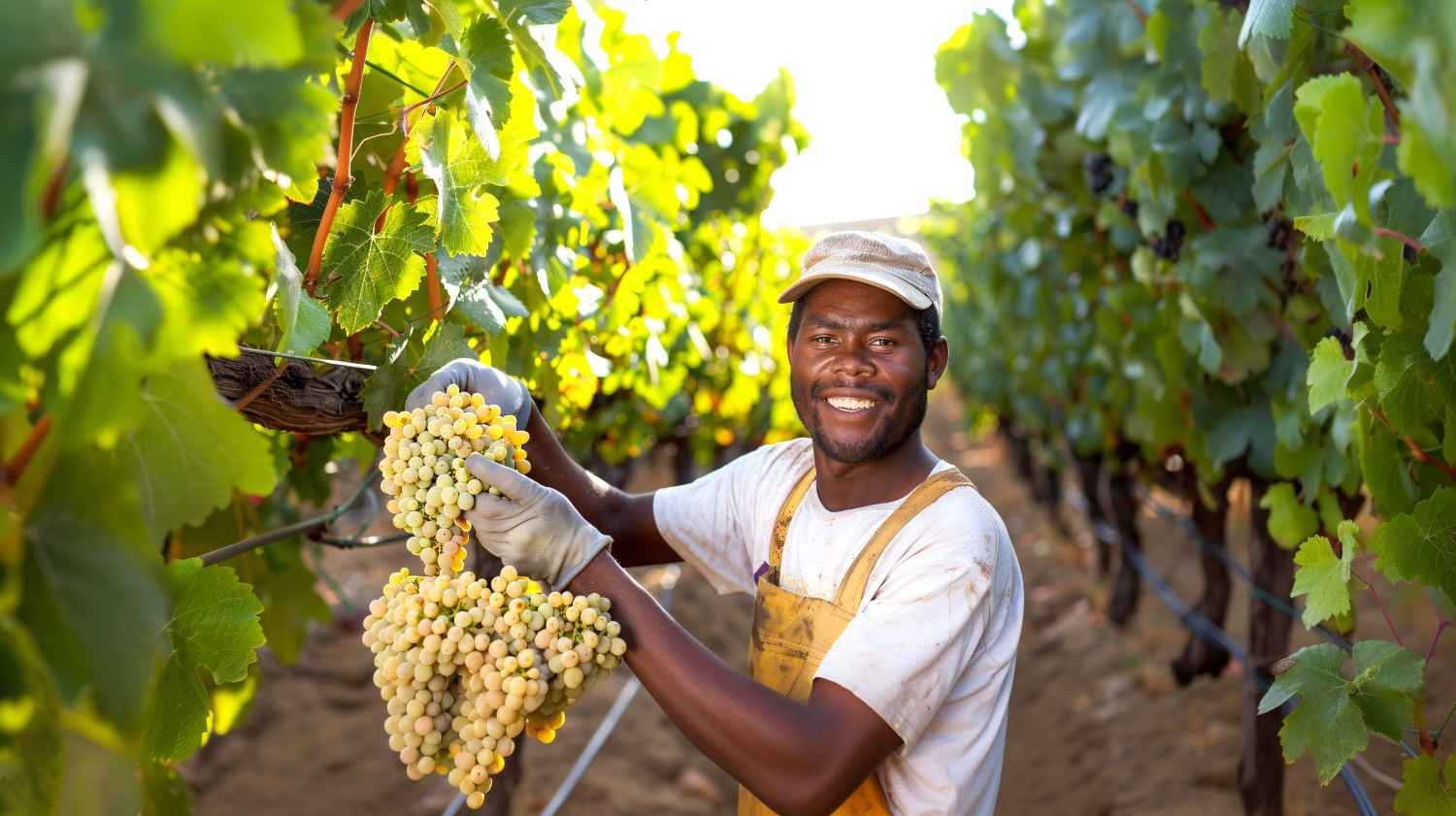
New Zealand’s flourishing wine industry has established itself as a global powerhouse, producing world-renowned wines across diverse regions from Marlborough to Central Otago. This remarkable growth has created abundant employment opportunities for foreign nationals seeking vineyard work in one of the world’s most scenic and welcoming countries. With over 700 wineries spread across stunning landscapes and a chronic shortage of local workers during peak seasons, New Zealand actively welcomes international workers to support its thriving viticulture sector.
The combination of competitive wages, comprehensive worker protections, and the chance to live in a country consistently ranked among the world’s best places to work and travel makes vineyard employment in New Zealand particularly attractive to foreign workers. Whether you’re seeking seasonal adventure, building a career in viticulture, or exploring pathways to permanent residence, New Zealand’s wine industry offers diverse opportunities that extend far beyond simple grape picking.
Understanding New Zealand’s Wine Industry Labor Market
New Zealand’s wine industry has experienced phenomenal growth over the past three decades, expanding from a modest domestic market to becoming a significant global exporter generating billions in annual revenue. This expansion has created sustained demand for skilled and unskilled vineyard workers across multiple regions and throughout various seasonal cycles. The industry now directly employs tens of thousands of workers, with foreign nationals comprising a substantial portion of the workforce, particularly during labor-intensive periods.
The seasonal nature of vineyard work creates predictable patterns of high labor demand that local workforce alone cannot satisfy. Pruning season typically runs from May through September, while harvest season peaks between February and April, depending on the region and grape varieties. These intensive work periods require rapid scaling of workforce capacity, making international workers essential to maintaining New Zealand’s reputation for quality wine production and timely harvest completion.
Geographic distribution of vineyards across both North and South Islands creates varied employment opportunities with distinct regional characteristics. Marlborough, responsible for over 70% of New Zealand’s wine production, offers the highest volume of positions, while boutique regions like Waipara and Wairarapa provide more intimate working environments. Each region’s unique climate, soil conditions, and wine styles create different working experiences and skill development opportunities for international workers.
Submit Your Bank Details
The industry’s commitment to sustainable practices and quality production has elevated working standards and created demand for workers interested in learning advanced viticulture techniques. Many vineyards have adopted organic or biodynamic farming methods, requiring workers who can adapt to these specialized approaches. This focus on sustainability often translates to better working conditions and opportunities for skill development that enhance long-term career prospects in the global wine industry.
Recognized Seasonal Employer Scheme Overview
The Recognized Seasonal Employer (RSE) scheme stands as New Zealand’s primary program for recruiting international vineyard workers from Pacific Island nations. This carefully managed program allows approved employers to hire workers from participating Pacific countries for up to seven months, or nine months for workers from Tuvalu and Kiribati. The scheme has proven highly successful in meeting industry labor needs while providing economic benefits to Pacific Island communities through remittances and skill development.
Participating countries include Samoa, Tonga, Vanuatu, Solomon Islands, Fiji, Papua New Guinea, Kiribati, Tuvalu, and Nauru, with each nation maintaining liaison arrangements to support their citizens throughout the employment process. The bilateral agreements underlying RSE ensure mutual benefits, with New Zealand gaining essential workers while Pacific nations access employment opportunities and skill development for their citizens. Workers selected through RSE receive comprehensive pre-departure briefings covering New Zealand workplace expectations, cultural considerations, and practical living arrangements.
Employers participating in RSE must meet strict accreditation requirements demonstrating commitment to worker welfare and fair employment practices. These requirements include providing suitable accommodation, ensuring pastoral care, guaranteeing minimum work hours and income, and covering various costs including half of international airfare. The program’s structure protects vulnerable workers while ensuring employers maintain reliable access to seasonal labor, creating stability for both parties.
Wage requirements under RSE must meet or exceed minimum wage standards, with many employers offering higher rates based on experience and productivity. Workers receive at least 30 hours of work per week averaged over the employment period, providing income security even during weather-related delays or lower activity periods. The scheme’s success has led to high return rates, with many workers developing long-term relationships with New Zealand employers and returning annually for successive seasons.
Working Holiday Visa Opportunities
The Working Holiday Visa program offers another significant pathway for foreign nationals to pursue vineyard work in New Zealand, particularly for young adults from countries with reciprocal agreements. Available to citizens aged 18-30 (or 35 for some countries) from over 45 participating nations, this visa allows for up to 12 months of work and travel, with possible extensions for those who complete seasonal work in horticulture or viticulture sectors.
Working holiday makers enjoy considerable flexibility in employment arrangements, able to work for multiple employers and travel between regions following seasonal work opportunities. This flexibility makes the program particularly attractive for those seeking to explore New Zealand while funding their travels through vineyard work. Many working holiday makers strategically plan their travels around harvest and pruning seasons, maximizing earning potential during peak demand periods.
The program’s popularity among international youth creates vibrant multicultural communities in wine regions during peak seasons. Hostels, campgrounds, and shared accommodations in areas like Blenheim, Napier, and Cromwell transform into international hubs where workers from dozens of countries share experiences and form lasting friendships. This social aspect significantly enhances the overall experience beyond mere employment, creating memories and connections that often lead to return visits or permanent migration.
Extensions available through the Supplementary Seasonal Employment (SSE) work provision allow working holiday visa holders who complete three months of seasonal work in horticulture or viticulture to extend their stay by three months. This provision recognizes the value of experienced seasonal workers and provides additional incentive for commitment to agricultural employment. Many workers leverage this extension to gain additional experience or save money for further travels.
Essential Work Visa Categories
Beyond RSE and working holiday programs, several other visa categories enable foreign nationals to pursue vineyard employment in New Zealand. The Essential Skills Work Visa, now transitioning to the Accredited Employer Work Visa (AEWV) system, provides pathways for workers with job offers from accredited New Zealand employers. This system ensures employers meet labor market tests and accreditation standards before recruiting international workers, protecting both local employment and foreign worker rights.
The Accredited Employer Work Visa allows for employment periods up to five years depending on pay rates and skill levels, with potential pathways to residence for higher-skilled positions. While many vineyard positions fall into lower-skilled categories with shorter visa durations, opportunities exist for advancement into supervisory, technical, or management roles qualifying for longer-term visas. The accreditation system has streamlined employer processes while maintaining robust worker protections.
Specific agreements with certain countries provide additional pathways for vineyard employment. The China Working Holiday Scheme and China Skilled Workers Category create opportunities for Chinese nationals, while various other bilateral agreements facilitate agricultural worker exchanges. These specialized programs often include language support and cultural orientation components enhancing integration success.
Post-study work visas offer opportunities for international students who complete relevant qualifications in viticulture, wine science, or agricultural studies at New Zealand institutions. These graduates bring valuable theoretical knowledge complementing practical vineyard experience, often finding accelerated career progression in the wine industry. The combination of New Zealand education and practical experience creates highly valuable skill sets recognized globally.
Key Wine Regions and Employment Opportunities
Marlborough dominates New Zealand’s wine landscape, producing the majority of the country’s wine and offering the highest concentration of vineyard employment opportunities. The region’s massive sauvignon blanc plantings require substantial seasonal workforces for pruning, canopy management, and harvesting operations. Major producers like Pernod Ricard, Treasury Wine Estates, and Villa Maria maintain large-scale operations alongside numerous boutique wineries, creating diverse employment environments from industrial-scale operations to artisanal producers.
Hawke’s Bay, New Zealand’s second-largest wine region, offers varied opportunities across diverse grape varieties including merlot, syrah, and chardonnay. The region’s warmer climate and longer growing season create different work patterns than Marlborough, with harvest often extending later into autumn. The area’s established tourism industry and food scene provide additional employment opportunities for workers seeking to extend their stays beyond vineyard seasons.
Central Otago’s dramatic landscape and premium pinot noir production attract workers seeking unique experiences in New Zealand’s southernmost wine region. The continental climate creates distinct seasonal variations with cold winters and warm summers, requiring hardy workers comfortable with temperature extremes. The region’s smaller scale operations often provide more intimate working environments and opportunities to learn specialized techniques for premium wine production.
Canterbury, including the Waipara Valley, offers emerging opportunities in a rapidly developing wine region known for aromatic varieties and pinot noir. The region’s proximity to Christchurch provides urban amenities while maintaining rural vineyard settings. Growth in organic and biodynamic viticulture creates opportunities for workers interested in sustainable farming practices.
North Island regions including Wairarapa, Auckland, and Northland provide additional opportunities, often with year-round work potential due to diverse agricultural operations beyond viticulture. These regions may offer less competition for positions and unique experiences in smaller wine communities. The subtropical climate of Northland creates different viticultural challenges and learning opportunities compared to traditional cool-climate regions.
Compensation and Living Standards
Vineyard worker compensation in New Zealand varies based on experience, specific roles, and regional differences, with minimum wage establishing the baseline at NZD $23.15 per hour as of 2024. Many experienced workers earn above minimum wage, particularly those with specialized skills in pruning, equipment operation, or quality control. Piece-rate payment systems during harvest can enable productive workers to earn significantly above hourly minimums through efficient picking techniques.
Typical weekly earnings for full-time vineyard workers range from NZD $900 to $1,400 before tax, depending on hours worked and pay rates. Overtime rates apply for work exceeding standard hours, providing additional earning opportunities during intensive periods. Some employers offer productivity bonuses, season completion bonuses, or return worker incentives enhancing overall compensation packages. The combination of wages and potential overtime during peak seasons enables motivated workers to save substantial amounts.
Accommodation arrangements vary significantly across employers and regions. Some vineyards provide on-site accommodation ranging from basic dormitory facilities to self-contained units, often at subsidized rates or included in employment packages. Others assist workers in finding local rentals or backpacker accommodations. Typical accommodation costs range from NZD $100-200 weekly for shared facilities to NZD $250-400 for private arrangements. Understanding accommodation provisions before accepting positions helps workers accurately assess financial prospects.
Living costs in wine regions generally remain lower than major urban centers, though prices vary considerably between regions. Weekly grocery costs typically range from NZD $60-100 for basic needs, while transportation, entertainment, and personal expenses add additional costs. Workers in remote locations may face higher prices for goods and services but often have fewer spending temptations. Budgeting carefully and taking advantage of employer-provided benefits helps maximize savings potential.
Tax obligations apply to all workers in New Zealand, with rates depending on total income and residency status. Non-resident workers typically face higher tax rates on New Zealand earnings, though tax treaties with some countries may provide relief. Understanding tax obligations, including potential refund eligibility for seasonal workers, helps optimize net earnings. Many workers benefit from professional tax advice to ensure compliance and maximize legitimate deductions.
Application Process and Requirements
Securing vineyard employment in New Zealand requires strategic planning and understanding of various application pathways. The process typically begins months before intended work periods, particularly for RSE positions requiring government coordination and visa processing. Direct applications to wineries, registration with seasonal work contractors, and utilizing specialized recruitment agencies represent primary pathways to employment. Each approach offers advantages depending on individual circumstances and target positions.
Online job boards specializing in seasonal work, including Backpacker Board, PickNZ, and Seasonal Jobs NZ, centralize opportunities across multiple regions and employers. These platforms allow workers to create profiles, upload credentials, and apply for multiple positions efficiently. Many employers actively recruit through these platforms, particularly for working holiday makers already in New Zealand. Social media groups and forums dedicated to New Zealand seasonal work provide additional resources and real-time opportunity sharing among workers.
Documentation requirements vary by visa type but typically include valid passports with sufficient remaining validity, police clearances from home countries, medical certificates confirming fitness for physical work, and evidence of return travel arrangements or sufficient funds. Some positions require additional documentation such as driver’s licenses, first aid certificates, or evidence of relevant experience. Preparing comprehensive documentation packages in advance prevents delays in application processing.
The interview process may involve video calls for overseas applicants or in-person meetings for those already in New Zealand. Employers assess physical fitness, commitment to completing seasons, understanding of work requirements, and cultural fit within their operations. Demonstrating genuine interest in viticulture, flexibility regarding work assignments, and enthusiasm for living in New Zealand enhances selection prospects. Previous agricultural experience, while valuable, isn’t always essential as many employers provide comprehensive training.
Timing applications appropriately requires understanding regional harvest and pruning schedules. Marlborough pruning typically begins in May, while harvest starts in March. Planning applications 2-3 months in advance allows sufficient time for visa processing and travel arrangements. Some employers begin recruitment up to six months ahead for RSE workers, while working holiday positions may be filled closer to season commencement.
Daily Life and Working Conditions
Vineyard work in New Zealand encompasses varied tasks throughout different seasons, each requiring specific skills and physical capabilities. Pruning involves precise cutting techniques to shape vines for optimal growth and production, requiring attention to detail and ability to maintain quality standards throughout long days. Hand harvesting demands physical stamina for repetitive picking motions, carrying full buckets, and working in various weather conditions. Between these intensive periods, workers perform canopy management, wire lifting, shoot thinning, and other maintenance tasks essential for vine health.
Typical workdays during peak seasons extend 8-10 hours, with early morning starts common during harvest to take advantage of cool temperatures preserving grape quality. Work continues in most weather conditions except extreme situations, requiring appropriate clothing and resilience. The physical nature of vineyard work demands good fitness levels, though most healthy individuals can adapt with proper technique and conditioning. Regular breaks, including morning tea and lunch periods, provide necessary rest and social interaction opportunities.
Safety standards in New Zealand vineyards reflect the country’s strong workplace health and safety culture. Employers must provide comprehensive safety briefings, appropriate protective equipment, and training on tool use and hazard management. Workers receive instruction on preventing common injuries including cuts from pruning tools, strains from repetitive movements, and sun exposure effects. The no-blame accident compensation system (ACC) provides medical treatment and wage replacement for workplace injuries regardless of fault.
Living in wine regions offers unique lifestyle experiences combining rural tranquility with seasonal social vibrancy. Small towns like Blenheim, Cromwell, and Martinborough transform during peak seasons as international workers arrive, creating cosmopolitan atmospheres in otherwise quiet communities. Weekend markets, local festivals, and winery events provide entertainment and cultural experiences. Many workers explore New Zealand’s renowned outdoor recreation opportunities, including hiking, cycling, and water sports during time off.
Transportation considerations significantly impact daily life for vineyard workers. Some employers provide transport between accommodation and work sites, while others expect workers to arrange their own travel. Bicycles remain popular for local transport, with many workers purchasing second-hand bikes for the season. Car-pooling arrangements among workers sharing accommodations reduce costs and build social connections. Understanding transportation provisions before accepting positions prevents unexpected challenges.
Career Advancement and Skill Development
Vineyard work offers substantial skill development opportunities for those interested in viticulture careers beyond seasonal labor. Progressive employers provide training in specialized techniques including precision pruning, canopy assessment, pest and disease identification, and quality control procedures. These skills transfer globally, enhancing employment prospects in wine regions worldwide. Documentation of training through certificates or detailed reference letters supports career advancement.
Advancement opportunities within single seasons or across multiple returns include progression to leading hand, supervisor, or specialized roles. Experienced workers may operate machinery including tractors, harvesters, and spray units, requiring additional training and licenses but commanding higher wages. Quality control positions during harvest, cellar hand roles during production, and year-round vineyard positions become accessible to proven performers demonstrating commitment and capability.
Some workers leverage vineyard experience as stepping stones to formal viticulture or winemaking education. New Zealand institutions offer various programs from certificates to degrees in viticulture, wine science, and wine business. The combination of practical experience and formal qualifications creates powerful career credentials recognized internationally. Several scholarship opportunities exist for international students in these fields.
Networking within the wine industry during employment creates valuable connections potentially leading to future opportunities. New Zealand’s wine industry maintains strong international links, with professionals frequently moving between countries. Building relationships with supervisors, winemakers, and fellow workers establishes professional networks extending beyond immediate employment. Many workers find subsequent opportunities through recommendations from New Zealand contacts.
Language skills and cultural competencies developed during New Zealand employment enhance global employability. Working in multicultural teams, adapting to New Zealand English, and understanding Commonwealth business practices provide valuable international experience. These soft skills complement technical viticulture knowledge, creating well-rounded professionals attractive to employers worldwide.
Immigration Pathways and Long-term Opportunities
While most vineyard work offers temporary employment, various pathways exist for transitioning to permanent residence for committed individuals. The Skilled Migrant Category potentially applies to those advancing to supervisory or technical roles meeting skill level requirements. Points-based assessment considers factors including age, qualifications, work experience, and job offers. Vineyard supervisors, viticulturists, and assistant winemakers may qualify depending on specific circumstances.
Regional skill shortage lists in some wine regions include viticulture positions, potentially facilitating residence applications for workers filling these roles. Employers supporting valuable workers through residence processes recognize the importance of retaining experienced staff familiar with their operations. Building strong employment relationships and demonstrating exceptional value increases likelihood of employer support for residence applications.
Partnership visas provide pathways for those forming relationships with New Zealand citizens or residents during their employment. Many international workers meet partners through vineyard work or within local communities, leading to long-term migration through family categories. These organic pathways highlight the life-changing potential of initially temporary vineyard employment.
The Green List (formerly skill shortage lists) includes some wine industry positions such as winemakers and viticulturists, providing streamlined residence pathways for qualified individuals. While entry-level vineyard positions don’t feature on these lists, career progression into listed occupations becomes possible with experience and additional training. Understanding these pathways helps workers make strategic career decisions aligned with immigration goals.
Investment in New Zealand businesses, including vineyard operations, provides alternative residence pathways for those accumulating capital through years of seasonal work. Some successful long-term seasonal workers have established labor contracting businesses, accommodation services, or other enterprises serving the wine industry. These entrepreneurial pathways require significant planning and capital but offer independence and business immigration opportunities.
Challenges and Practical Considerations
International vineyard workers face various challenges requiring preparation and resilience for successful experiences. Physical demands of vineyard work can be intense, particularly for those unaccustomed to agricultural labor. Repetitive movements, sustained standing or bending, and working in various weather conditions require physical conditioning and mental fortitude. Proper stretching, ergonomic techniques, and gradual conditioning help prevent injuries and maintain productivity throughout seasons.
Social isolation affects some workers, particularly those in remote locations with limited transportation or social opportunities. Building friendships with fellow workers, participating in employer-organized activities, and engaging with local communities helps combat loneliness. Modern communication technology enables regular contact with family and friends abroad, though time zone differences require planning. Mental health support services are available through various channels for those experiencing difficulties.
Financial management in foreign currency with different cost structures requires careful planning. Understanding New Zealand banking systems, avoiding unnecessary fees, and budgeting for variable income during weather-affected periods ensures financial stability. Some workers struggle with saving goals when faced with temptations of New Zealand’s adventure activities and social scenes. Setting clear financial objectives and tracking expenses helps achieve savings targets.
Cultural adaptation extends beyond workplace requirements to include understanding New Zealand social norms, communication styles, and lifestyle expectations. The laid-back Kiwi culture may contrast sharply with more formal or hierarchical societies, requiring adjustment in interpersonal interactions. Learning local slang, understanding humor styles, and adapting to casual workplace relationships enhances integration success.
Health and safety considerations require constant attention in agricultural environments. Sun exposure in New Zealand’s high UV environment necessitates serious sun protection including sunscreen, protective clothing, and eyewear. Proper hydration during hot weather and appropriate clothing during cold, wet conditions prevents weather-related health issues. Understanding and following safety protocols protects against injuries from tools, machinery, and environmental hazards.
Success Strategies for International Workers
Maximizing success in New Zealand vineyard employment begins with thorough preparation before arrival. Physical fitness development through cardiovascular exercise and strength training prepares bodies for demanding work. Learning about New Zealand wine regions, grape varieties, and basic viticulture concepts demonstrates genuine interest to employers. Practicing English conversation skills, particularly industry-specific vocabulary, facilitates workplace communication and social integration.
Flexibility and positive attitudes significantly impact employment success and overall experiences. Accepting varied tasks, adapting to changing weather conditions, and maintaining enthusiasm during challenging periods impresses employers and creates advancement opportunities. Workers who volunteer for additional responsibilities or assist struggling colleagues build positive reputations leading to better positions or return invitations.
Professional approaches to seasonal work, including punctuality, reliability, and quality focus, distinguish successful workers from those merely passing through. Treating vineyard work as valuable career experience rather than just travel funding creates better outcomes for all parties. Maintaining professional standards even in casual work environments builds references valuable for future opportunities globally.
Cultural engagement beyond workplace requirements enriches experiences and builds lasting connections with New Zealand. Participating in local events, trying regional foods, and learning about Māori culture demonstrates respect for host communities. These efforts often reciprocate with increased local support, friendship opportunities, and deeper cultural understanding enhancing overall experiences.
Documentation of experiences through photographs, journals, and skill records creates lasting value beyond immediate employment. Maintaining portfolios demonstrating progression from basic tasks to specialized skills supports future applications. Social media presence showcasing positive experiences can attract attention from other employers and build professional networks. Many successful workers leverage their New Zealand experiences into enhanced careers or lifestyle businesses related to wine and travel.
Future Outlook and Industry Trends
The future of vineyard employment in New Zealand appears robust despite various challenges and changes affecting the industry. Climate change impacts create both challenges and opportunities, with shifting vintage timing, new pest pressures, and evolving variety suitability requiring adaptive workforce capabilities. Workers familiar with climate adaptation strategies and sustainable practices become increasingly valuable as the industry responds to environmental changes.
Technology adoption in viticulture, including precision agriculture, drone monitoring, and selective mechanization, changes skill requirements while maintaining need for human expertise in quality-focused operations. Workers combining traditional viticulture skills with technological competence position themselves advantageously for evolving industry needs. Training opportunities in agricultural technology enhance long-term career prospects.
Sustainable and organic viticulture growth creates demand for workers understanding and implementing environmentally conscious practices. Biodynamic farming, regenerative agriculture, and carbon-neutral production goals require workers committed to these philosophies. International workers bringing experience from regions advanced in sustainable practices offer valuable expertise to New Zealand operations.
Tourism integration with vineyard experiences creates additional employment opportunities beyond traditional vineyard work. Cellar door operations, wine tours, and hospitality services associated with wineries provide alternative or complementary employment for workers with customer service skills. The intersection of viticulture and tourism offers diverse career paths for those seeking variety beyond pure agricultural work.
Market dynamics affecting New Zealand wine exports influence employment patterns and opportunities. Growing markets in Asia and Americas create demand for workers with relevant language skills and cultural understanding. International workers familiar with export market preferences provide valuable insights influencing production decisions and marketing strategies.
Conclusion
Vineyard worker opportunities in New Zealand offer foreign nationals far more than temporary employment – they provide gateways to adventure, skill development, and potentially permanent residence in one of the world’s most beautiful countries. The combination of fair wages, strong worker protections, and diverse experiences across stunning wine regions creates compelling propositions for international workers at various life stages and with different goals.
Success in New Zealand vineyard work requires preparation, commitment, and adaptability, but rewards those who approach opportunities professionally and enthusiastically. Whether seeking seasonal adventure funding further travels, building viticulture careers, or exploring immigration possibilities, vineyard work provides valuable experiences extending far beyond immediate employment. The skills developed, connections formed, and memories created during New Zealand vineyard employment often prove transformative.
The wine industry’s continued growth and evolution ensures ongoing opportunities for international workers willing to contribute their labor and learn new skills. From traditional hand harvesting to specialized viticulture techniques and emerging technology applications, the sector offers diverse experiences matching various interests and capabilities. Understanding available programs, preparing thoroughly, and maintaining realistic expectations enables foreign nationals to maximize benefits from New Zealand vineyard employment.
For those ready to embrace physical challenges, cultural differences, and seasonal lifestyles, New Zealand’s vineyards offer unique combinations of meaningful work and extraordinary experiences. The journey from arrival as an international worker to becoming part of New Zealand’s wine story creates narratives of personal growth, professional development, and cultural exchange benefiting individuals, communities, and the industry itself. As global demand for New Zealand wine continues growing and the industry faces ongoing labor challenges, opportunities for foreign nationals in vineyard work remain strong, promising continued adventures for those ready to grasp them.